Reflective glass : for façades or interiors

What is reflective glazing ?

Stopsol reflective glazing is clear or tinted glass coated with a
special metal oxide layer. This thin reflective layer is applied
to one side of the glass, giving it advanced heat and light reflection properties.
Designed to withstand the test of time, this glazing can be adapted to suit

Designed to withstand the wear and tear of time, this glazing can be transformed to suit
many architectural projects, while maintaining its high performance. For
example, 6 mm reflective glazing blocks between 33% and 64% of solar gain
depending on the model, thus providing optimal thermal comfort inside
buildings.
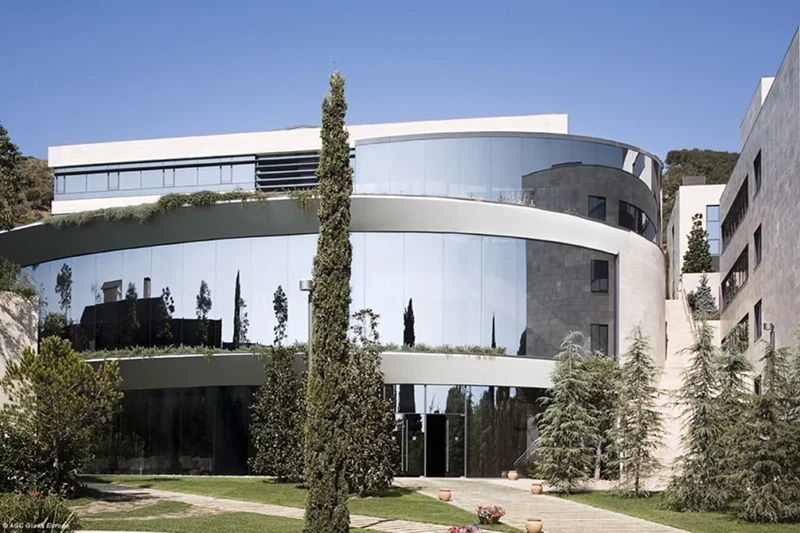
Vitrage réfléchissant - Mobile

Benefits of reflective glazing

Stopsol reflective glazing stands out for its many advantages, making it a popular solution among architects and building professionals :
Reduction in heat input
The reflective layer effectively limits heat transmission, reducing air conditioning requirements.
Controlled natural light
While filtering out some of the sun’s rays, the glazing allows an optimal amount of light to enter, creating bright and pleasant spaces.
UV protection
In its laminated form, it blocks harmful ultraviolet rays, thereby protecting furniture and interior coverings.
Energy saving
By limiting the use of air conditioning systems, this reflective glazing helps significantly reduce energy consumption when paired with a
low-emissivity glazing. It thus contributes to more sustainable buildings.
Modern aesthetics
Available in several finishes (clear, amber, silver or tinted), it blends perfectly with even the most demanding architectural designs.
Stopsol reflective glazing is the ideal choice for those seeking
advanced solutions that meet today’s climatic and architectural challenges.

Technical characteristics of reflective glazing

When assembled as double glazing with VIT Therm or VIT Therm Plus layers, it improves thermal performance and reduces reliance on air conditioning, generating energy savings. Stopsol glazing reflects light and solar energy, optimizing natural lighting while controlling solar heat gains.

Performance

The performance of Stopsol reflective glazing varies depending on the finish and composition:
Make-up Ug Visible light transmittance Exterior light reflectance Solar factor
4 Stopsol Classic
face 1
16 argon 4 lowe 1.1
1.1 36% 33% 29%
4 Stopsol
Supersilver face 1
16 argon 4 lowe 1.1
1.1 58% 37% 43%

Stopsol: Two finishes for your reflective glass

Stopsol reflective glazing is available in two main variants to suit all projects :
Stopsol Classic : With its slightly amber tint, it offers excellent sun protection and moderate light transmission.
Stopsol Supersilver : With an elegant silver appearance, it prioritises higher light transmission while ensuring good solar reflection.
These options are available on clear or coloured lenses, offering a wide range of possibilities for your projects.
4 mm 6 mm 44.2
Stopsol® classic clear
Stopsol® classic bronze
Stopsol® supersilver clear
Stopsol® supersilver green
Stopsol® supersilver grey
Stopsol® supersilver dark blue

What are the uses for reflective glazing?

Thanks to its versatility, Stopsol reflective glazing is suitable for a wide range of applications :

Applications

Glazed
facades

For modern and bright designs.

Discover

Verandas
and glass roofs

Reduction of overheating in summer.

Discover

Residential
windows

Combines thermal comfort and privacy.

Discover

Commercial and
public buildings

Shopping centres, offices, schools, museums, etc.

Discover

Compatible products

Acoustics
Burglar resistance
Anti-glare
Solar control
Window railings
Glass railings
Bulletproof
Blackout blinds
Integrated blinds
Veralam
Bird-proof glass
Tempered glass
Low-emissivity
Low-carbon glazing
Sandblasted glazing

Want to improve your thermal comfort ?

Optimise the energy efficiency and comfort of your buildings with our reflective glazing. Thanks to its insulating properties and light reflection, it protects against heat while preserving the privacy and aesthetics of your spaces.

FAQ : your questions about VIT STOPSOL reflective glazing

How does reflective glazing differ from conventional glazing ?

Reflective glazing stands out for its ability to control heat and light gain. Thanks to a special coating applied to its surface, it effectively reduces glare while maintaining good natural lighting, unlike standard glazing. Reflective glazing is particularly useful in buildings where glazing is used to maximise natural light, such as offices, schools, and hospitals. It also helps to reduce energy consumption by reducing the need for artificial lighting and air conditioning.

Does this type of glazing completely block out light ?

Not at all. Reflective glazing is designed to let in a balanced amount of natural light. Depending on the model chosen, it can provide varying degrees of light, but always in a pleasant way.

Can it be used in cold climates ?

Yes, of course. Although it is often associated with hot climates to limit heat, reflective glazing is just as useful in cooler regions. Combined with thermal insulation technology such as VIT Therm, for example, it helps to preserve heat during the winter months.

Is it suitable for homes ?

Absolutely, reflective glazing is ideal for detached houses, whether for windows, bay windows or conservatories. Why? Because it combines comfort, aesthetics and energy efficiency.

Can it be combined with other glazing solutions ?

Yes, it is even recommended for increased performance. For example, it can be assembled as double or triple glazing, combined with acoustic or thermal layers to meet specific needs.

How to maintain reflective glazing ?

To maintain the performance of reflective glazing, a few precautions are
necessary :

• Use non-abrasive cleaning products and rinse the glass thoroughly to avoid streaks.
• Avoid acidic solutions containing chlorine or fluorine, which could damage the reflective coating.

Downloadable documents